
Skin · 22 September 2026 · 5 min read
Pigmentation in the Dubai sun: why spots come back and what actually helps
Many patients in Dubai tell us the same story: the spots faded after a treatment, then returned within a season. That is rarely a failure of the device. It is usually a mismatch between the type of pigment, the method chosen and the sun the skin goes back into.

Many patients in Dubai tell us the same story: the spots faded after a treatment, then returned within a season. That is rarely a failure of the device. It is usually a mismatch between the type of pigment, the method chosen and the sun the skin goes back into. Understanding all three is what makes results last.
Why pigmentation is so persistent here
Melanin is the skin's defence against ultraviolet light. In a climate with strong sun for most of the year, pigment cells are stimulated almost daily — on the drive to work, through windows, during a short walk at midday. Visible light and heat also play a role, particularly for melasma, which is why some patients notice darkening even when they rarely sunbathe.
Treatment removes pigment that is already there. It does not switch off the cells that produce it. If the stimulus continues unchanged, new pigment forms, and the spots appear to come back.
Not all spots are the same
The first step is identifying what kind of pigmentation you have, because each type behaves differently:
- Sun spots and freckles: well-defined, sit in the upper layers of the skin and usually respond well to light and laser treatment.
- Post-inflammatory pigmentation: marks left after acne, irritation or injury. They often fade with time and gentle treatment, and can worsen with aggressive treatment.
- Melasma: symmetrical patches, often on the cheeks, forehead and upper lip, influenced by hormones, heat and light. It is a chronic condition that can be controlled and improved, but not cured.
- Mixed pigmentation: common in practice, and the reason a single method is rarely enough.
This distinction matters because a treatment that clears sun spots well can make melasma worse if used at the wrong settings. A consultation with skin examination is the only reliable way to tell them apart.
The options we use and when
Lumecca IPL delivers a broad spectrum of light absorbed by melanin and haemoglobin. Pigment spots darken and flake away within days, and redness and small vessels are reduced at the same time. It is well suited to sun spots, freckles and post-summer pigmentation on lighter skin types. Many patients see a clear change after one session, with one to three sessions planned in total. It is not suitable on recently tanned skin or for very dark phototypes, where we suggest a safer alternative.
The Alma-Q laser fires nanosecond pulses that break pigment into fragments, which the body then clears over the following weeks. In photoacoustic mode it allows gentler, repeated passes, which is how we approach melasma and deeper or stubborn pigment when it is treated with energy at all.
Dermablate is an Er:YAG resurfacing laser that removes the damaged surface layer with fine precision. It is reserved for selected cases where pigmentation sits alongside texture changes or photoageing, and it involves a short recovery period.
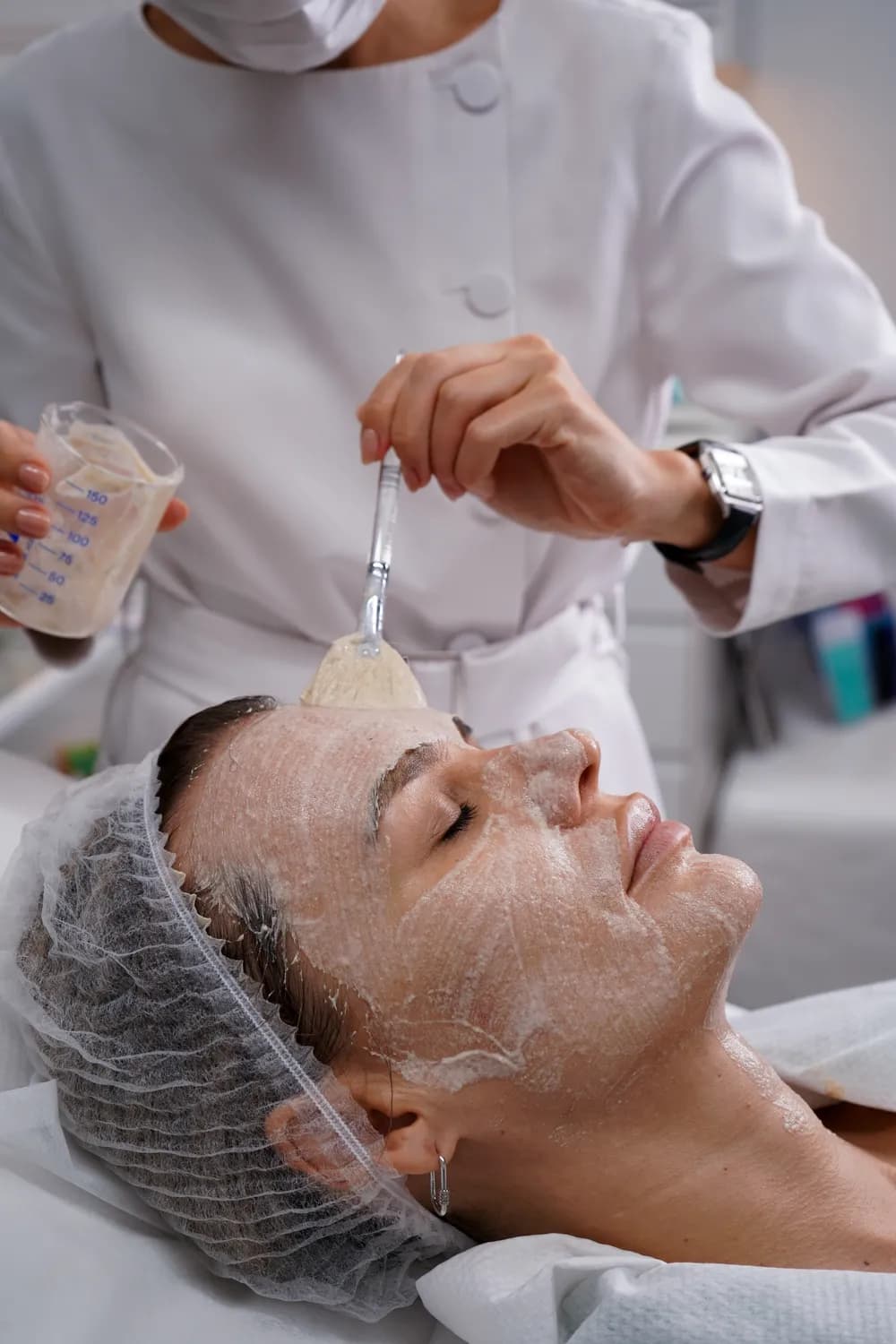
Chemical peels remain one of the most useful tools, especially for melasma and post-inflammatory pigmentation. We work with PCA Pigment Correct, ME LINE and Azelaico peels, chosen by skin type and sensitivity. Peels are often combined with device treatments or used between sessions.
Melasma needs a different strategy
With melasma the goal is control, not a one-time clearance. Aggressive treatment can trigger rebound pigmentation that is darker than before. We therefore work with gentler settings, longer intervals and a home-care programme prescribed by the doctor, and we plan maintenance from the start.
With pigmentation the temptation is always to push the energy. Gentler, more frequent passes are safer — especially with melasma, where aggressive settings can make the pigment rebound worse than it started.
Timing treatment around the Dubai sun
Light and laser treatments are planned around sun exposure. We wait two to four weeks after a tan or a beach holiday before treating, and ask patients to avoid direct sun for around two weeks afterwards. For many people the cooler months are the most practical time to start a course, although treatment is possible all year with discipline.
Some medication, including certain antibiotics and isotretinoin, makes the skin sensitive to light. Please tell the doctor about anything you are taking, including supplements.
Habits that keep results
- Broad-spectrum SPF 50 every morning, reapplied during the day, including on cloudy days and indoors near windows.
- Tinted or mineral sunscreen, which also offers some protection from visible light — helpful for melasma.
- A wide-brimmed hat and shade between late morning and afternoon.
- No picking or scrubbing of treated spots while they flake.
- The home-care products your doctor prescribes, used consistently rather than occasionally.
- Maintenance sessions when advised, rather than waiting for spots to return in full.
Where to start
If you are unsure what type of pigmentation you have, or treatment has not held in the past, begin with a consultation. The doctor will examine the skin, ask about your sun habits, medication and hormonal factors, and build a plan that combines in-clinic treatment with home care. That combination, rather than any single device, is what makes the difference over time.
This article is general information, not a medical recommendation. A doctor decides on treatment after an in-person consultation.

More articles.

Start witha consultation.
The aesthetic consultation is free. We assess the skin, tell you honestly what will help — and what can wait.